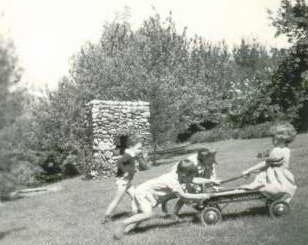
An Overview of Kalarama Orchards: Geology, Ecology, History and Conservation
Saturday, May 20
The Auditorium in the Manton Research Center at the Clark Art Institute
You may view the lecture here! Kalarama Orchards Lecture
This far reaching and detailed look at Kalarama Orchards, a little known but noteworthy piece of property in the White Oaks/Sand Springs region of Williamstown, was led by Williams College Professor of Geosciences, Ronadh Cox, and the Samuel Fessenden Clarke Professor of Biology at Williams, Henry Art. Patrick Quinn will detailed how this area is significant to Williamstown’s history and presented stories about the orchard’s secrets which may include tales of “secrets and scandal”. Scott Hoover, the current owner of Kalarama Orchards, provided an account of the conservation of the property.
Henry Art has b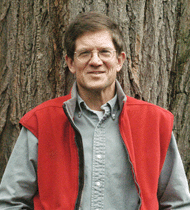 een the Samuel Fessenden Clarke Professor of Biology at Williams since 1970. His research interests include long-term ecological research in the Hopkins Memorial Forest. This research involves the investigation of long-term changes in successional relationships among species comprising the various communities in the College-owned Hopkins Forest, and the extent to which natural and human-use disturbances have played a role in shaping the present patterns of communities and ecosystems. This study has involved the collection of data from the permanent plot system initiated in 1935 by the U.S. Forest Service when they operated the facility. Deed history, oral history, and other socioeconomic data have complemented the ecological databases on the Hopkins Forest.
Rona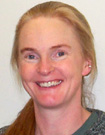 dh Cox received her B.S. from the University College Dublin and her Ph.D. in Geology from Stanford University. She is Professor and Chair of Geosciences at Williams College where she is currently teaching courses in oceanography, earth resources and sedimentology. Dr. Cox serves as a science editor at Geology.
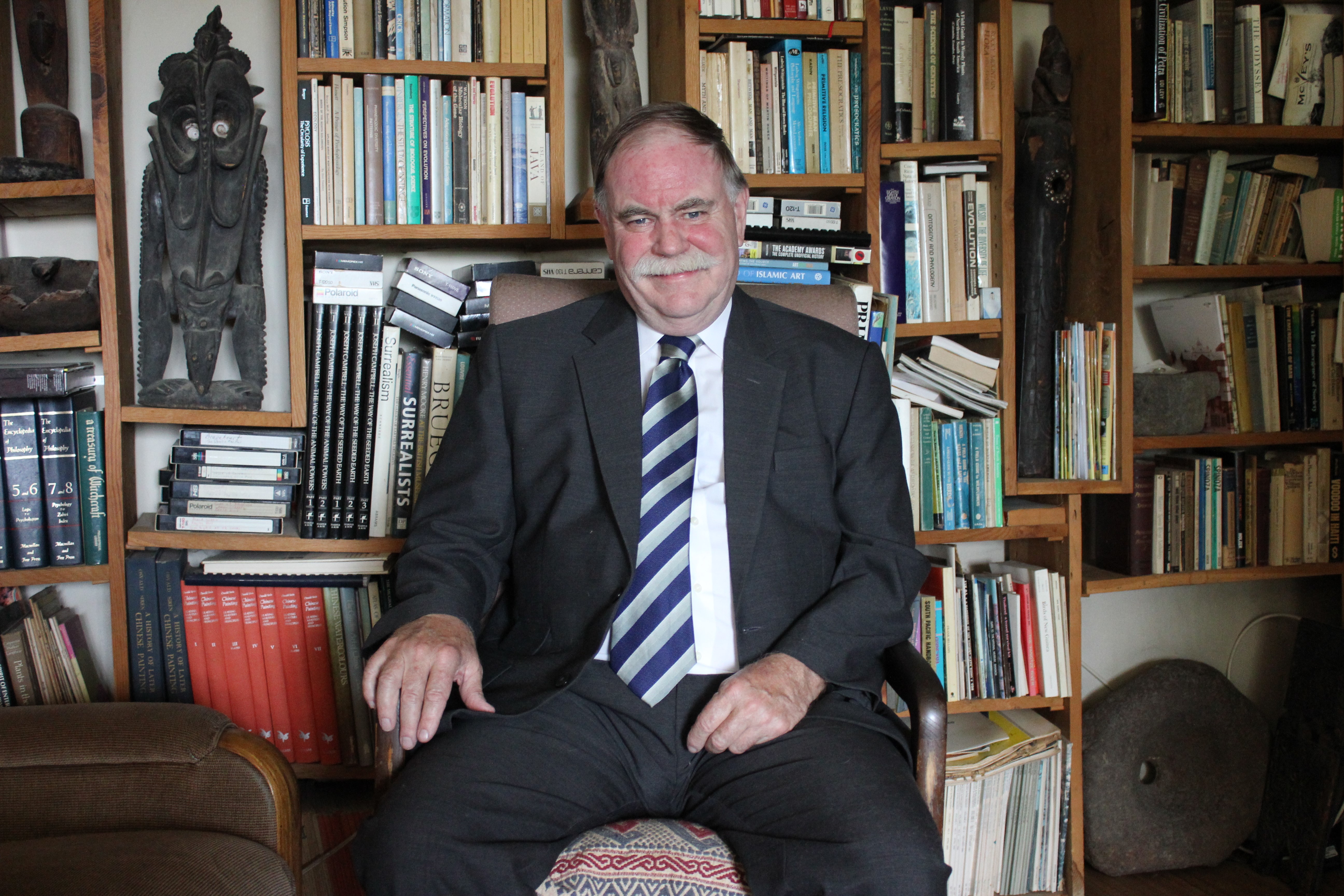 Since graduating from Colorado College in 1974, Hoover has combined roles as an independent scientist with entrepreneurial activities. His early botanical expeditions to numerous locations in Latin America as well as Jamaica, Thailand, Malaysia, the Philippines and Papua New Guinea were conducted under the auspices of Harvard University’s Herbaria and Arnold Arboretum. In 1983, Hoover became a Fellow in The Explorers Club, a position still held, and from 1990-1992 was appointed a Research Associate with Missouri Botanical Garden for exploratory work in Northwestern Ecuador under famed scientist, Dr. Peter Raven. From 2011-2013, Hoover was given a Research Collaborator affiliation with Smithsonian Institution’s National Museum of Natural History, for his work in Indonesia. From 1975 to 2006, Hoover owned and operated a landscaping design, construction and maintenance business in Williamstown, Massachusetts and surrounding areas. Mr. Hoover is the current owner of Kalarama Orchards.
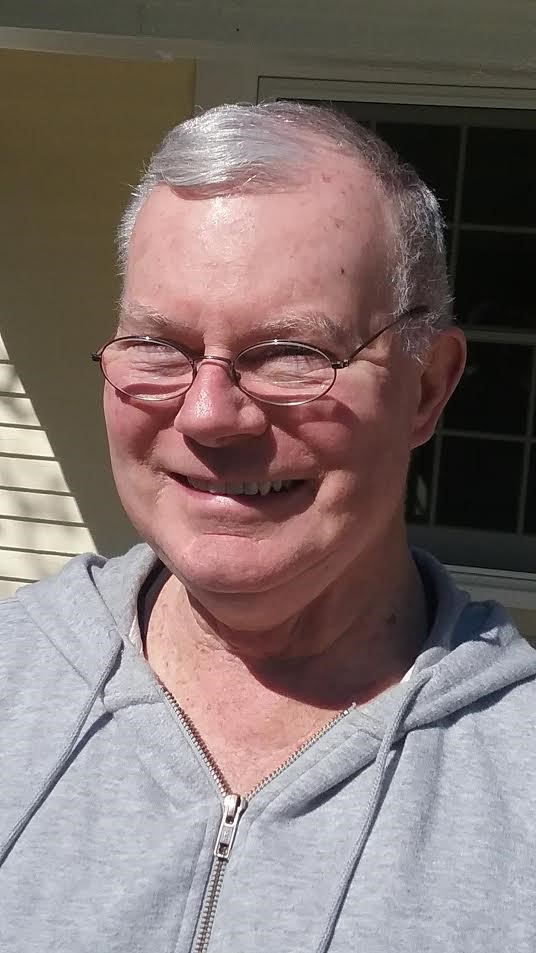
Patrick Quinn is a fourth-generation Williamstown resident who moved back to town upon his retirement. He holds a Bachelors Degree from Catholic University, a Masters in Education from Antioch New England University and a Masters Degree in Social Work from The University of Connecticut. Patrick spent over 40 years in Social Services, retiring as a Psychiatric Social Worker from The San Francisco Mobile Crisis Treatment Team; he is a member of the Board for The Williamstown Historical Museum, member of The Williamstown Affordable Housing Trust and President of The Board of Governors for The Williams College Faculty Club.