The Trail of a Williamstown Founding Family

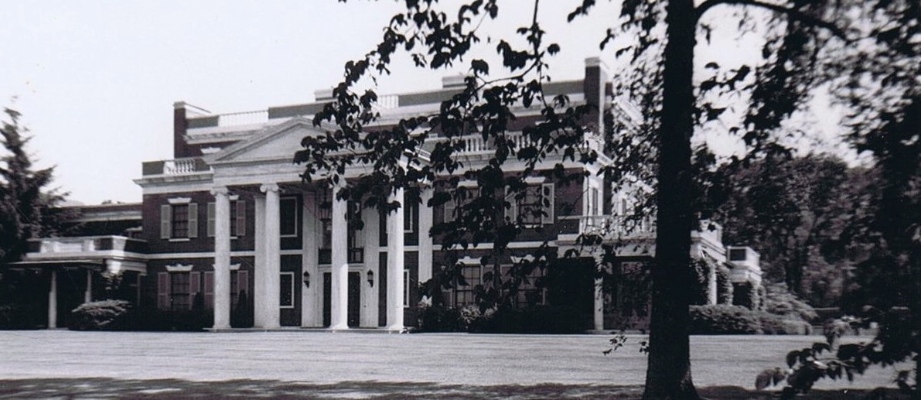
On April 19th at 11 am, we will explore the reasons for America’s mobile nature, by looking at one local family’s migration away and back to Williamstown.  The search for arable land–and adventure–drove many early “settlers” to keep moving on.  The family of Nehemiah Smedley, whose 1772 House still stands on the eastern end of Main Street, is a perfect example.  First settling ca. 1639 in Concord MA, each of the next four Smedley generations relocated. Although Nehemiah’s son, Elijah, did stay put in Williamstown on land contiguous to his father’s (known later as the Orchards), when Elijah’s daughter, Mary, married Asahel Foote (an 1827 Williams graduate), the peripatetic gene was reinforced.  Within a few years of Mary’s death (1876), the remaining Foote clan (Asahel, their only son with his wife and child, and two unmarried daughters) left behind the apple orchards of Williamstown, in favor of the orange groves of Pasadena.  (Coming full circle, however, one branch of that tree has put down roots again in Williamstown!)  Luckily, for both our family and Williamstown, the Smedley/Foote homesteads, along with some of their history, have been well preserved.

Bio:

First-cousins Judith Wilson and Louise Dudley are the great-granddaughters of two Williamstown natives, Sarah Caroline Cole and Charles Rollin Foote, (m. 1872) who moved west in 1879 to become one of the pioneering families in Pasadena, California.  Judith and Louise also share an uncle, George W. Clapp, whose genealogical research (he is the author of Ancestors and Descendants of Harvey Towner and Caroline (Waterman) Cole of Williamstown, MA, 1810-1881) inspired them to learn more about the family’s roots in this area.

Louise, who lives in Charlottesville, Virginia, is a graduate of Smith College, where she majored in American Studies.  During her career in publishing and public relations, she worked as an editor for the Saturday Evening Post in New York; Heldref Publications, a nonprofit publisher of journals in Washington, DC; and the University of Virginia, from which she retired 11 years ago as assistant vice president for university relations and university spokesperson.

Judith, who resides in Providence, Rhode Island, graduated from Barnard College, after a year each at Smith and the University of Iowa.  Her career included writing and producing educational filmstrips, as well as many years in the advertising business.  After several years with major ad agencies in New York City, she worked in San Francisco for ten years as a creative director at Saatchi & Saatchi Direct, and in her own freelance business until her retirement in 1997.

If you missed this talk, please watch the video here:

Maple Sugaring, February 22nd

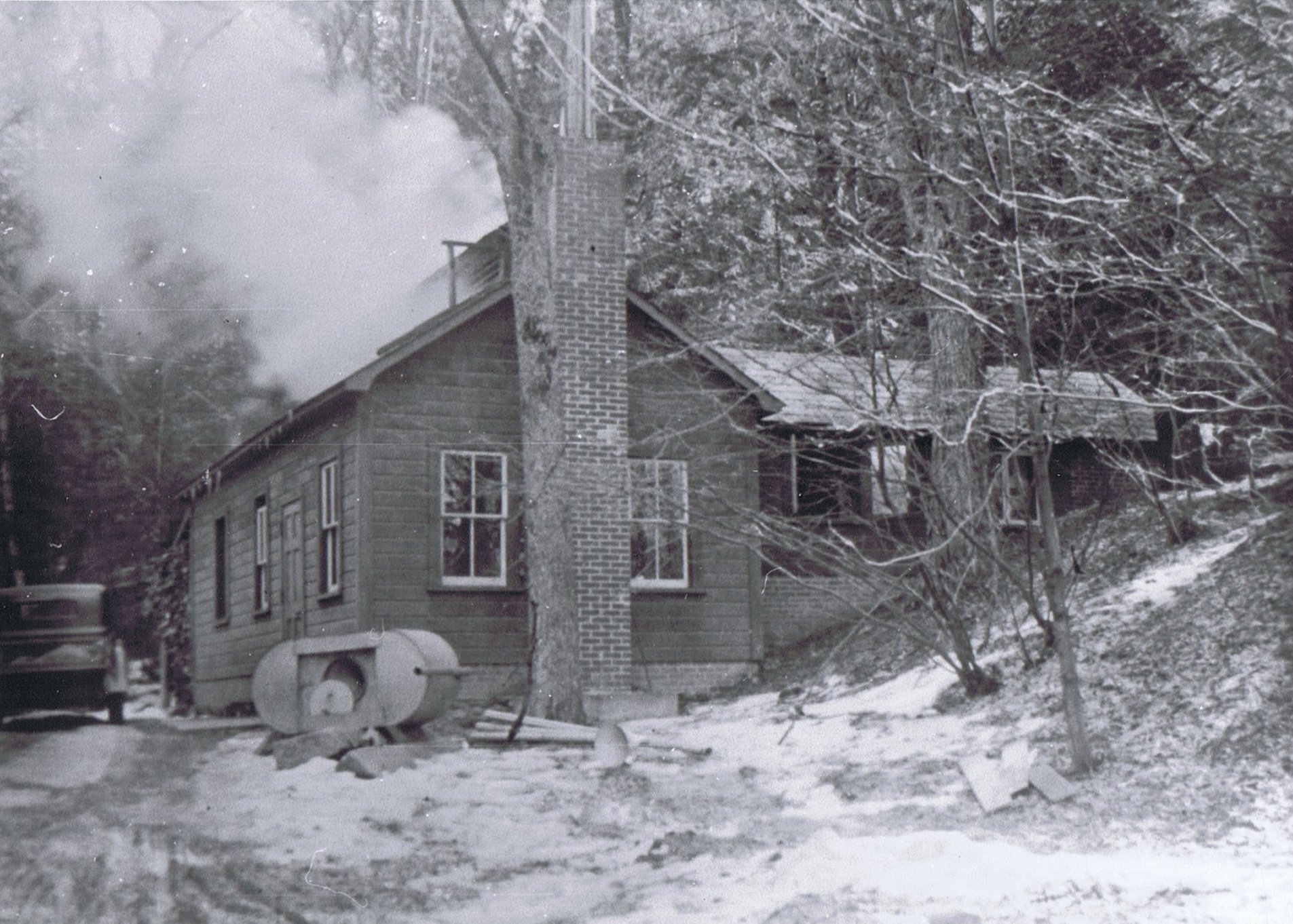
On February 22nd, at 11 am the topic will be sweet.  Maple syrup was first collected and used by the indigenous peoples of North America. The practice was adopted by European settlers, who gradually refined production methods. Technological improvements in the 1970s further refined syrup processing.

For Andy Bernardy, it’s a seasonal ritual, a traditional agricultural task, and a family affair. Bernardy learned the sugaring ropes as a youngster from his grandfather, Ralph Churchill, first at a great uncle’s farm in Charlemont, then on Oblong Road, where the young Bernardy grew up. Bernardy, who furthered his study of sugaring from his own father, the late Andy Bernardy, is now passing it along to his own eager youngsters, Elizabeth, 15, and Kate, 12.

Please note:  In case of a snowstorm this lecture may be cancelled, as Andy’s other job is running a snowplow.

Here’s a sneak peak:

http://vimeo.com/86658958

Take the Trolley, January 25th

How nice it would be to take a trolley for 5¢ each way from Williamstown to North Adams and back.  Did you know that there used to be such a trolley line running between these two northern Berkshire towns?  On January 25th at 11 am in the Milne Public Library John Hyde will be giving an illustrated talk beginning with an overview of trolley cars as a means of public transportation in the United States.  Particular emphasis will be given to the emergence, dominance, and ultimate disappearance of trolleys from Williamstown and Berkshire County.

 Bio:

Professor Emeritus John M. Hyde has been a member of the faculty and administration of Williams College for the past fifty years.  He is also a member of the fifth generation of a family which has lived in Berkshire County for more than 200 years.  An ardent “rider of trains,” he is too young to have “taken the trolley” but has turned his attention to another vehicle that traveled on rails in this lecture.