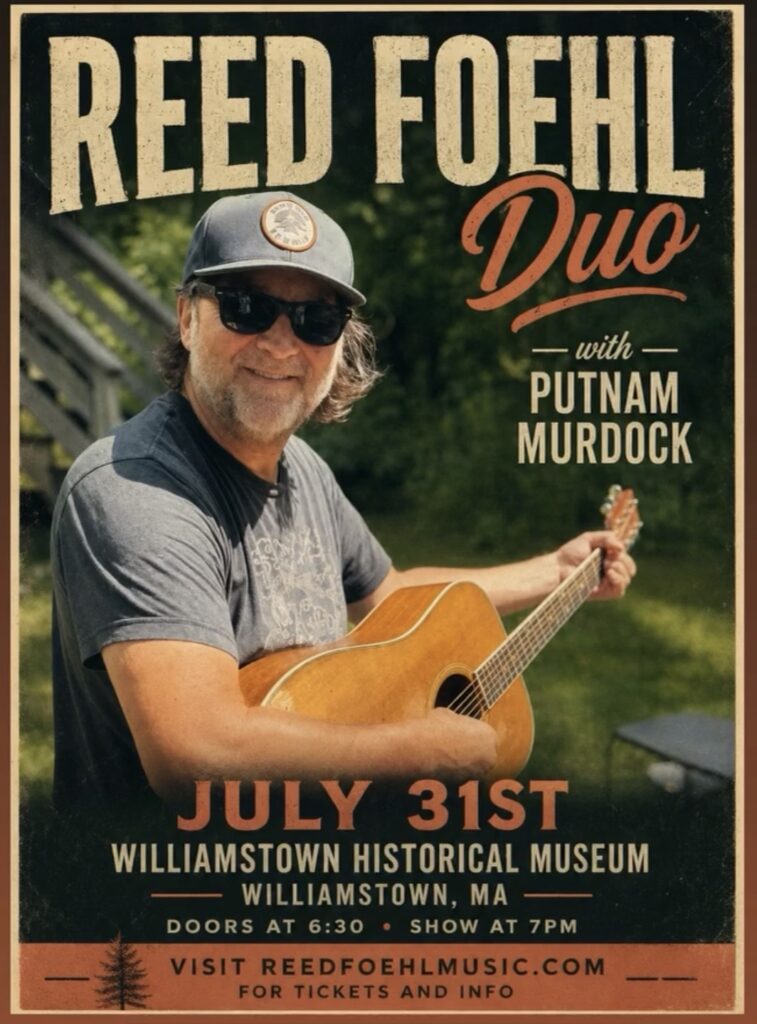

FRIDAY, JULY 31st, 2026 6:30PM
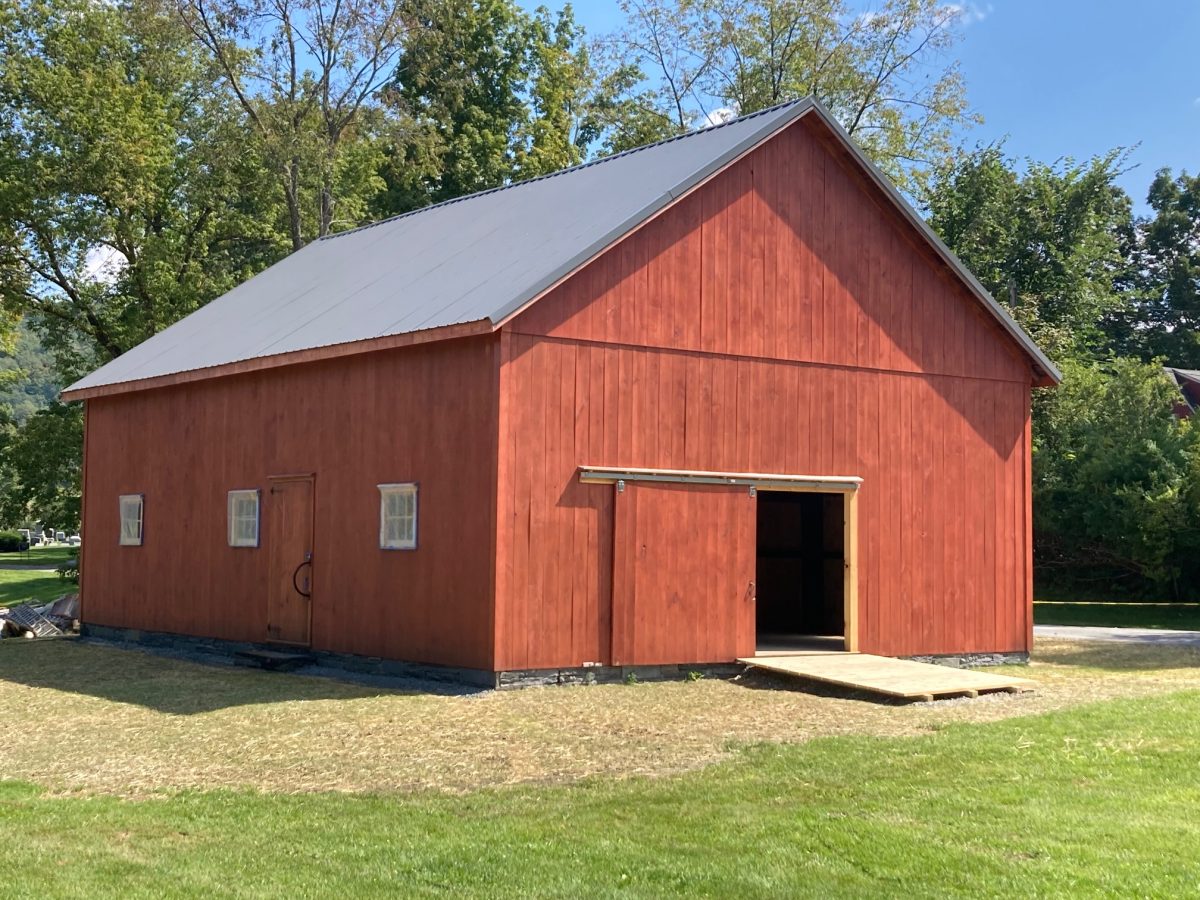
32 NEW ASHFORD ROAD, WILLIAMSTOWN, MA
Born in a small country town in New England and into a musical family, Grammy-nominated songwriter Reed Foehl started out as a street singer on the streets of Boston and has gone on to record and release over 11 studio albums that have garnered him national attention with numerous placements in film and television and as a touring singer-songwriter.
Foehl writes songs like postcards from the long way home- Weathered, honest and quietly devastating. Rooted in American folk, his music carries the weight of loss, love and survival, told with a voice that sounds lived-in and unafraid. There’s a grit in the stories, grace in the melodies, and a deep human tenderness running through it all.
“Foehl places the listener out on a remote stretch of highway, mind-swept in gorgeously emotive sonic landscapes. His arrangements are cinematic, his vocal delivery enrapturing, yet delicate. He delivers lived-in lyrics which conjure picturesque mind movies.” -Relix
Foehl is set to release his 7th solo studio album in 2026. Recorded in Woodstock, NY, with many special guests lending their talents to the project including Gregory Alan Isakov, Jeffrey Martin, Anna Tivel, Rich Hinman and Jeb Bows.
He was nominated for a Grammy Award for his song “Fly” co-written with Brent Cobb, which was covered by country legend Lee Ann Womack. Foehl now resides in the Green Mountains of Vermont and continues to tour across the globe.